Most sellers walking into a Copperopolis listing appointment in 2026 expect to talk about staging, price per square foot, and the boat lift. Their agent hands them a disclosure packet and mentions AB 38 in passing. Two weeks into escrow, the deal cracks open. Not because of the roof, not because of the septic, not because the appraisal came in low. Because the buyer cannot bind homeowners insurance inside the contingency window.
That is the transaction shape that separates Copperopolis from a comparable listing in Modesto or Manteca, and it is what the rest of this post is about.
The claim, up front
The wildfire disclosure paperwork is not what kills Copperopolis deals. The disclosure is table stakes and takes an afternoon. What kills deals is the gap between the buyer signing the contract and the buyer's agent finding a carrier willing to write the property at a premium the buyer's DTI can absorb. If you sell here without pre-shopping that problem for your buyer, you are handing your escrow to whichever underwriter picks up the phone.
Everything below builds on that.
What you actually owe the buyer under AB 38
Copperopolis sits inside CAL FIRE's State Responsibility Area. Calaveras is on the California Department of Insurance list of counties at or above the 50th percentile of structures at high fire risk, and virtually every subdivision from Copper Cove to Saddle Creek to Lake Tulloch frontage falls inside a High or Very High Fire Hazard Severity Zone on the current CAL FIRE viewer. That triggers Assembly Bill 38 for essentially every resale in town.
Two documents attach to your listing:
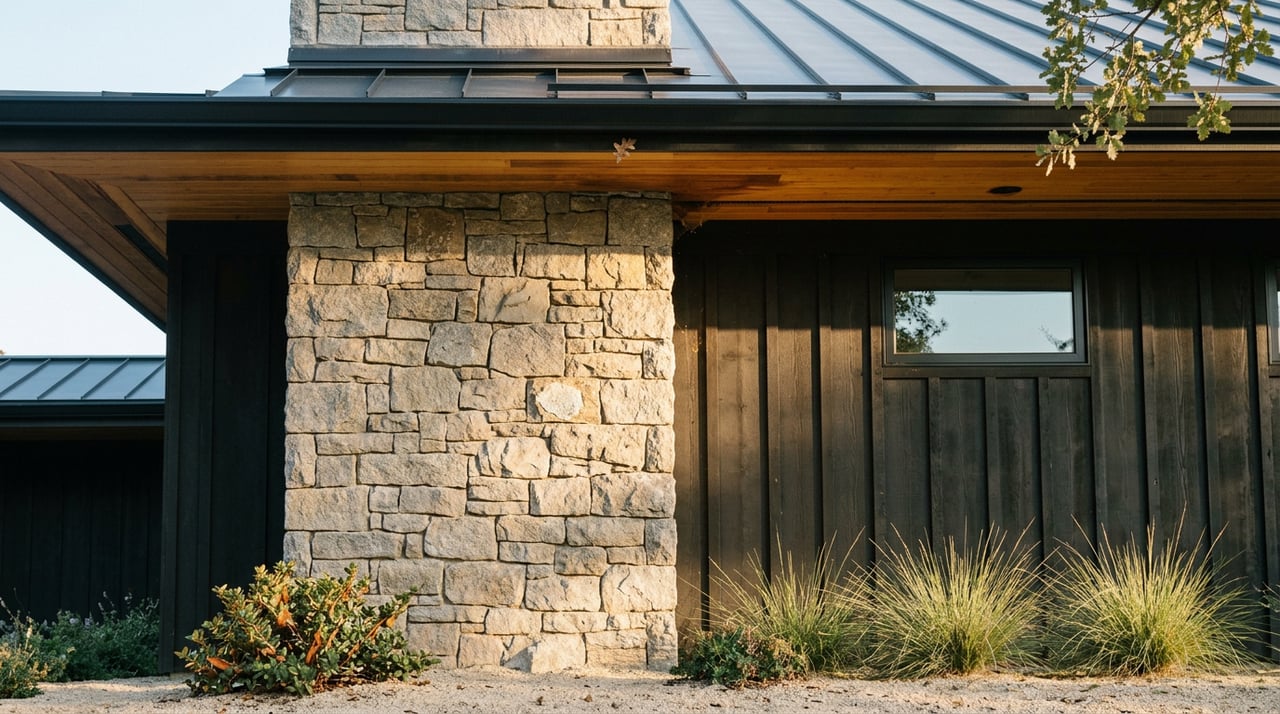
The Fire Hardening and Defensible Space Disclosure (FHDS). In June 2025, the California Association of Realtors revised its Fire Hardening and Defensible Space Disclosure and Addendum, whereby the Seller must disclose if 12 specific home hardening conditions have been satisfied. Roof material, eave and soffit construction, vent screening, window glazing, deck materials, and the condition of vegetation within the five-foot ember zone all get individually checked. Under AB 38, California sellers must disclose whether they have actual knowledge of specific fire-risk features that could expose the property to wildfire, including roof coverings made of untreated wood shingles or shakes and gutters that lack covers or allow the buildup of flammable debris. California law does not require sellers to make fire-hardening upgrades. The obligation is to disclose known fire-hardening features and vulnerabilities.
A defensible space compliance document. For a home in a High or Very High FHSZ, the seller must provide the buyer with documentation of a compliant defensible space inspection before close of escrow, completed within six months of the sales contract. If the seller can't obtain documentation by closing, the law allows the buyer and seller to enter a written agreement transferring the obligation to the buyer, who then has one year from close of escrow to obtain compliance.
The Copperopolis Fire Protection District at 370 Main Street performs the local defensible space inspections and consultations for property under its jurisdiction, and Calaveras Foothills Fire Safe Council is the community resource sellers most often use to plan brush work before an inspector arrives. Order the inspection before you list, not after you have an offer. A six-month expiration window sounds generous until an initial inspection surfaces a hundred feet of manzanita too close to a deck and your buyer's contingency clock is ticking.
For homes built before January 1, 2010, one more piece attaches. On or after July 1, 2025, the disclosure notice must also include the State Fire Marshal's list of low-cost retrofits. The seller checks which retrofits are done. That's it. No forced upgrade. But it is now a formal line-by-line record the buyer will hand to their insurance broker.
Which is where the deal actually lives or dies.
The insurance problem your buyer is about to inherit
Copperopolis is inside the zone where admitted carriers have been quietly retreating for three years. Your buyer's Bay Area broker will run the address through a rating engine and, more often than not, come back with a decline, a surplus lines quote, or the California FAIR Plan.
The order of magnitude matters. The statewide average California FAIR Plan premium is $3,000 to $3,200 per year versus approximately $1,480 for a standard admitted HO-3 policy. In Copperopolis the number is not the statewide average. Calaveras and Tuolumne counties see FAIR Plan premiums of $6,000 to $15,000 typical. And that is before the next filing lands. The pending 35.8% rate hike, if approved, will increase most FAIR Plan premiums substantially in 2026. Policyholders who have not documented hardening should prioritize that work in early 2026 to offset the rate increase with discount qualification.
A FAIR Plan policy alone is not the whole answer. A standard FAIR Plan policy does not provide the broad protection found in a traditional HO-3 homeowners policy. Coverage is limited and many common causes of loss are excluded. In 2026, the right setup is usually FAIR Plan homeowners insurance plus a DIC wrap, not FAIR Plan by itself. A Difference in Conditions policy layers on liability, theft, and water damage. Together they behave like an admitted HO-3 at roughly twice the cost.
A buyer walking in with a $700,000 loan approval on a $1.1M Copper Valley lakefront is not the same buyer once their monthly PITI absorbs an $850 insurance escrow line instead of the $180 they modeled. Debt-to-income shifts, the loan re-underwrites, and the deal either renegotiates or falls.
That is the scenario every experienced Copperopolis listing agent has watched play out. The FHDS form does not stop it. Documented hardening does.
What actually moves the needle for your buyer's premium
The reason to pull the FHDS work forward is that the same checklist the state uses is the checklist FAIR Plan and admitted carriers use for discount qualification. Ember-resistant vents, a Class A roof, a hardened deck, cleared vegetation within thirty feet, and a defensible-space compliance letter dated within the last six months are the items an underwriter can point to when justifying a lower brush-score modifier.
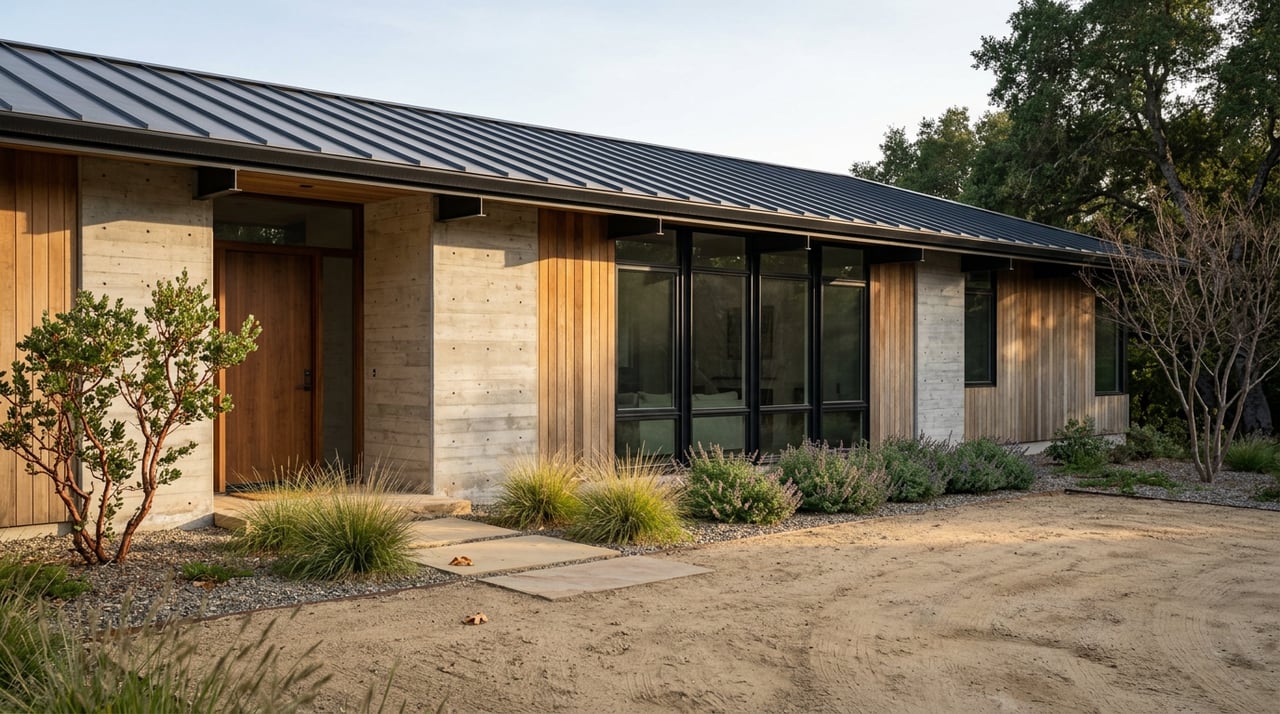
Copper Valley and Saddle Creek homes built after 2010 already meet most of the Wildland Urban Interface code by default. Older Copper Cove and Lake Tulloch cabins are where the gap sits. If your home is pre-2010, walk the twelve FHDS items with the Copperopolis Fire Protection District before you list and get a written scope of what a weekend of work would clear. It is often three or four items, and the return on the buyer's insurability is the highest-leverage seller improvement on the property.
A pre-listing sequence that survives a 30-day escrow
- Verify the property's zone on CAL FIRE's Fire Hazard Severity Zone viewer at osfm.fire.ca.gov. Save the screenshot to the file.
- Book the defensible space inspection now. The report is valid for six months, so timing it four to six weeks before list gives you room to correct findings.
- Walk the FHDS twelve-item checklist. Document what is done with dated photos. Complete two or three cheap items if they surface.
- Pull a FAIR Plan indicative quote for the property at the current dwelling value. Have a DIC wrap quote alongside it. Hand both to the buyer's agent at offer acceptance.
- Read the state code text yourself once. Civil Code §1102.6f applies to homes constructed before January 1, 2020, in a high or very high fire hazard severity zone, and requires disclosure of fire hardening improvements and features that may make the home vulnerable to wildfire and flying embers. Reading it removes the mystery.
Steps one through four together turn a two-week insurance scramble into a three-day underwriting exercise. That is the difference between closing on the buyer's original terms and re-opening price on day twenty-two.
Short FAQ
Do I have to fix anything before selling? No. AB 38 is a disclosure statute, not a retrofit mandate. The market, through your buyer's insurance carrier, may price the un-hardened features into the offer regardless.
What if the defensible space inspection fails? The buyer and seller can enter a written agreement transferring the obligation to the buyer, who then has one year from close of escrow to obtain compliance. Practically, most Copperopolis buyers want the clean report in hand, so plan to correct rather than transfer.
Can the buyer just use the FAIR Plan and move on? They can. Their lender may require the DIC wrap for a full replacement-cost policy, and the combined premium will still shape their DTI. Pre-quoting the pair for them is the courtesy that keeps the deal intact.
Does a non-renewal on my current policy affect the sale? It does not legally block the sale, and most California non-renewals from 2023 through 2026 are market-driven, not customer-specific. But disclose it. The buyer's carrier will see the loss-run history regardless.
Selling in Copperopolis is a paperwork problem stacked on top of an underwriting problem. Sellers who treat it that way close on schedule. Sellers who treat it as a signature exercise learn the hard way, usually in the third week of escrow.
If you are thinking about listing a Copperopolis home this year and want the FHDS, defensible-space, and insurance prep sequenced before you go active, Baxter Luxury Home Team will walk the property with you and build the pre-listing packet. Reach out for a consultation or a free home valuation to start.