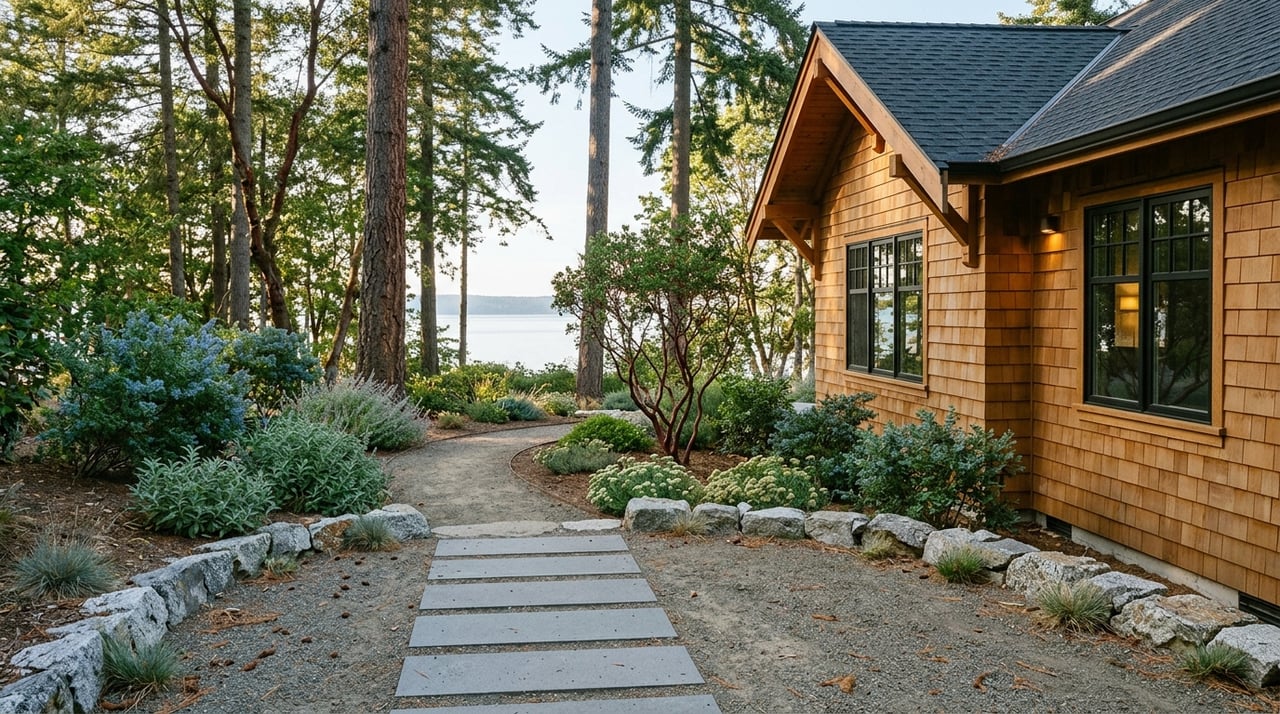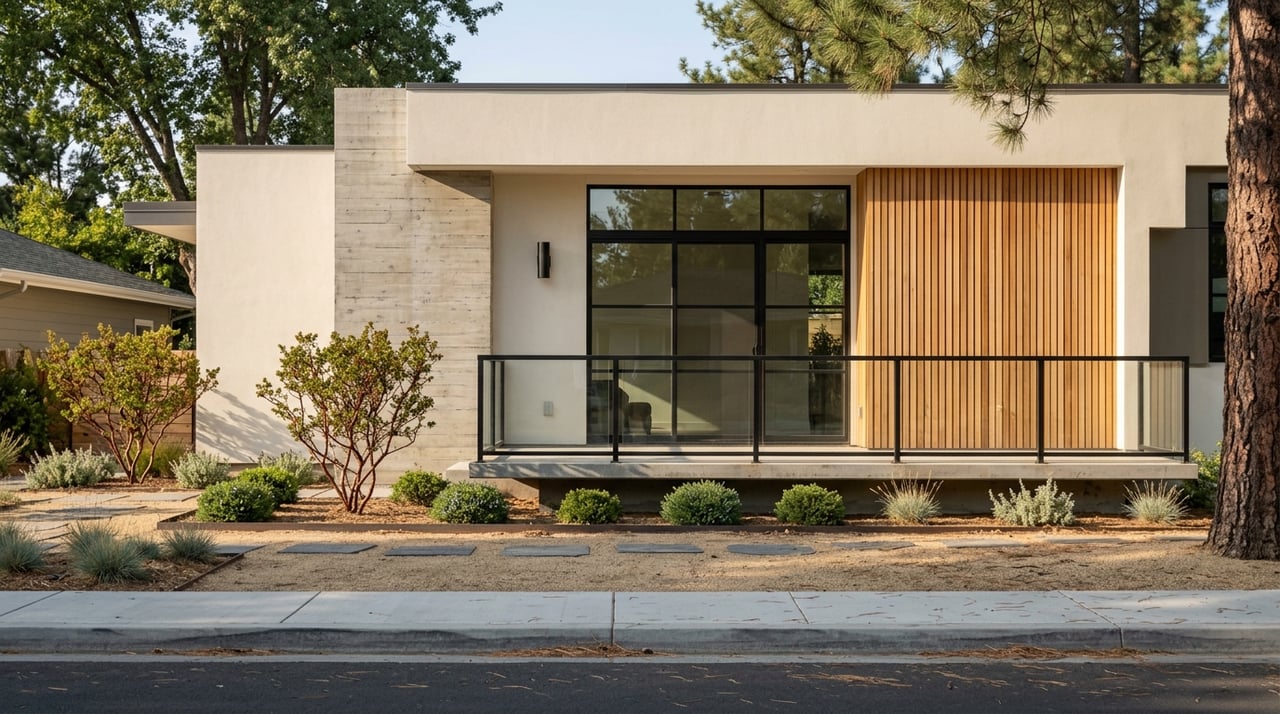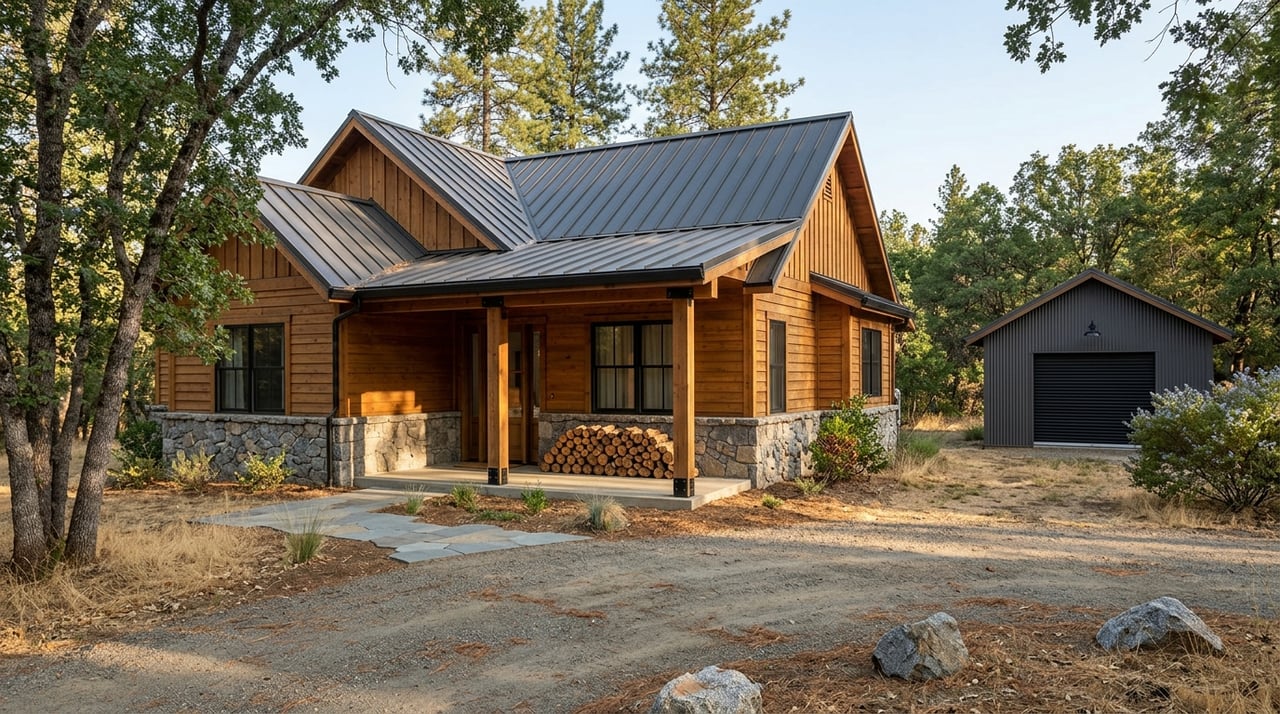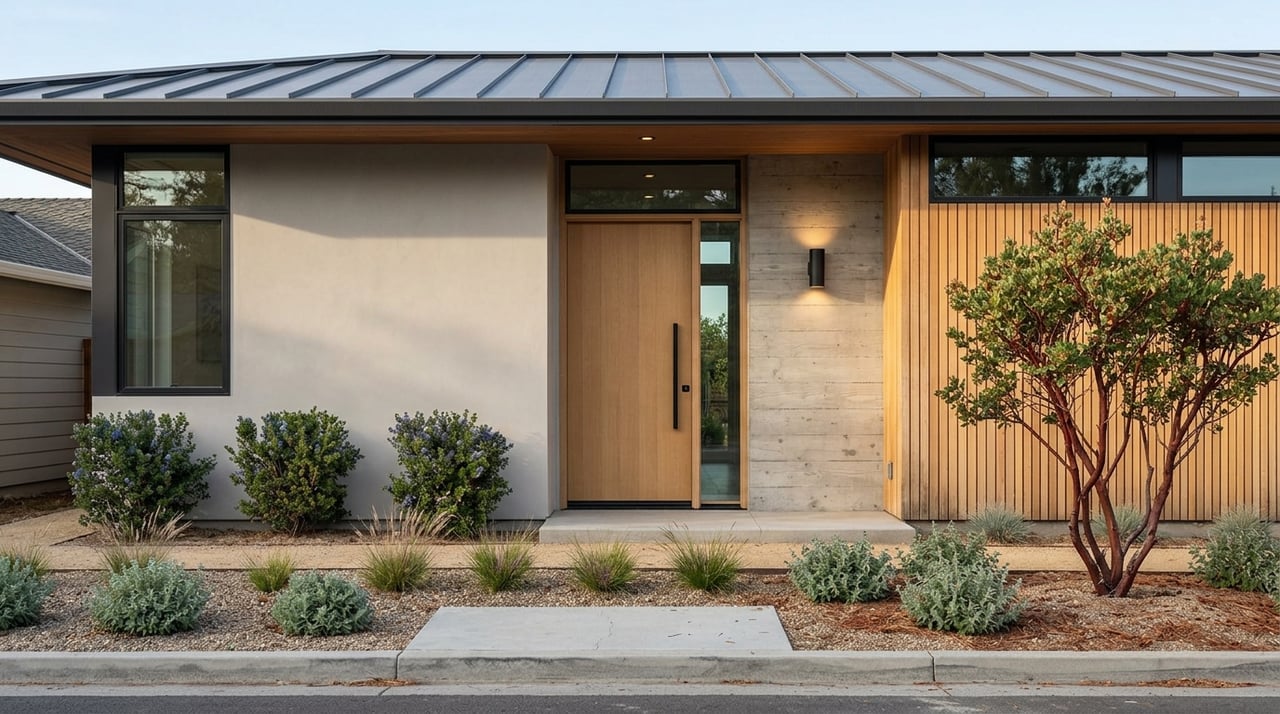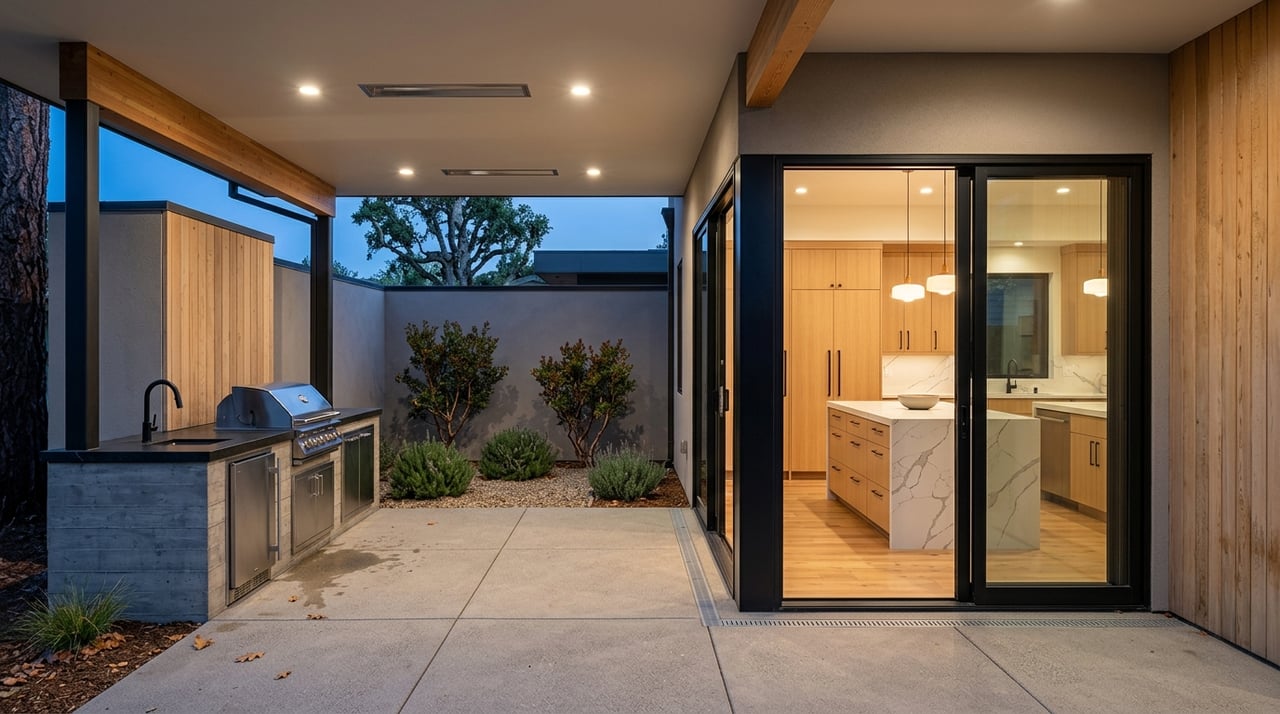
Dreaming about a home that opens to the breeze, captures the view, and still feels comfortable in the middle of a Copperopolis summer? You are not alone. In 95228, indoor-outdoor living can be a major part of the lifestyle, but the best designs do more than add a patio and call it done. They respond to heat, slope, water use, fire safety, and the natural character that makes Copperopolis special. If you are building, buying, remodeling, or preparing to sell, this guide will help you think through what really works here. Let’s dive in.
Why indoor-outdoor design works in Copperopolis
Copperopolis has the kind of setting that makes indoor-outdoor living feel natural. The area sits in the foothills near Lake Tulloch, with elevations that generally range from about 1,100 to 1,800 feet. Calaveras County’s community plan also emphasizes rural character, scenic resources, open space, and development that fits the natural and historic setting.
That local setting shapes what buyers often value most. In many homes, the goal is not simply more outdoor square footage. It is creating a comfortable connection between interior living space and the surrounding views, light, and landscape.
The climate also plays a big role. Regional NOAA normals show July and August mean maximum temperatures of 92.8°F and 91.9°F, with very little summer rainfall. That pattern supports design choices like shaded outdoor rooms, better sun control, and spaces that stay usable during hot, dry afternoons.
Start with the site, not the floor plan
In Copperopolis, a beautiful indoor-outdoor home usually starts with the lot itself. USDA information for the Copperopolis soil series describes shallow, stony soils on hills and ridges, with slopes that can range from 2% to 90%. That means the site can shape your design just as much as your wish list.
If you are looking at a sloped property, drainage, erosion control, and access should be part of the early conversation. A deck with a stunning view may be appealing, but the grading, retaining, and water flow around it matter just as much. On this kind of terrain, design decisions work best when they are made together rather than piece by piece.
For many buyers and owners, that means asking practical questions up front:
- How will water move across the lot in winter?
- Where will shade be most useful in summer?
- What areas are easiest to access from the main living spaces?
- Will terraces or retaining walls be needed?
- How much site disturbance will the plan require?
Calaveras County Public Works says grading permits are generally required when earthmoving exceeds 50 cubic yards. It also notes that engineered plans may be required when slope stability, drainage, or public safety are concerns. On a foothill parcel, those are not side issues. They are core parts of good design.
Design for shade, airflow, and views
The most effective indoor-outdoor homes in Copperopolis are usually arranged around comfort, not just exposure. Because the area is sunny and often view-oriented, patios, decks, and great rooms tend to work better when they are planned around shade, airflow, and sightlines.
A covered patio or outdoor room will often feel more functional here than a fully exposed hardscape area. With warm, dry summers and long sunny stretches, some overhead cover can make the difference between a space you admire and one you actually use. This is especially true during peak afternoon heat.
Cross-breeze matters too. When openings, seating areas, and covered transitions are positioned to catch air movement, the outdoor room can feel more comfortable without relying only on mechanical cooling. In practice, that often means thinking about where the sun hits hardest and where the home can create natural relief.
Views should be framed carefully. The county’s community plan supports protecting scenic resources and preserving rural character, so the strongest layouts often highlight lake, ridge, or golf-course views without overwhelming the site. In Copperopolis, restraint often looks better than overbuilding.
Make the transition spaces count
Some of the most successful homes in this area are not defined by one large outdoor feature. They are defined by a sequence of spaces that work together. A great room that opens to a covered terrace, which then steps down to a fire-aware yard or seating area, often feels more natural than a single oversized patio.
These transition zones can help the home feel more connected to the landscape. They also make it easier to use outdoor space across more of the year. In a place with dry summers and cooler, moist winters, flexibility matters.
If you are shopping for a home, pay attention to how the indoor and outdoor spaces actually relate to each other. Ask yourself:
- Does the main living area open naturally to the outside?
- Is there shade where you would actually sit and gather?
- Do doors and windows frame the best parts of the property?
- Does the outdoor layout feel private and usable without cutting off airflow?
These details often affect daily enjoyment more than raw square footage.
Plan carefully on lake-adjacent lots
If a property sits near Lake Tulloch, indoor-outdoor design needs an added layer of planning. Tri-Dam says work at and below the 515-foot contour can require permit review, including docks, homes, decks, excavation, and erosion-control devices or seawalls. It also notes that reservoir elevation can fluctuate daily and seasonally.
For you as a buyer, seller, or owner, that means shoreline-related improvements should be discussed early. A deck extension, seating area, or erosion-control feature may involve more coordination than expected. Waiting until late in the process can create delays or redesign costs.
This is one reason local guidance matters so much with lake and view properties. What looks simple from the backyard can involve access, permitting, contour limits, and long-term maintenance considerations that deserve attention before plans are finalized.
Use water-wise landscaping from day one
In Copperopolis, landscaping is part of the design, not a finishing touch. Calaveras County Water District says that in some areas, 50% or more of daily water use goes to lawns and outdoor landscaping. That is a strong reason to plan yards as low-water systems from the start.
CCWD recommends approaches like drip irrigation, deep but less frequent watering, mulch, drought-resistant plants, and smart controllers. It also notes Stage 2 irrigation limits and runoff restrictions. In a dry foothill climate, these are practical design issues, not just maintenance tips.
UC IPM also supports drought-tolerant ornamentals, hydrozoning, and efficient drip or low-output sprinkler systems. For many Copperopolis properties, that means grouping plants by water needs, limiting turf to areas where it serves a clear purpose, and reducing overspray.
A simple framework can help:
- Use drip irrigation where possible
- Group plants by similar water needs
- Keep lawns small and purposeful
- Add mulch where appropriate for moisture retention
- Choose plants with long-term water efficiency in mind
- Use controllers that help prevent waste and runoff
A well-planned yard can still feel polished and inviting. It just does not need to depend on high water use to get there.
Balance shade trees with fire safety
Shade is valuable in Copperopolis, especially around patios, windows, and outdoor gathering areas. At the same time, trees and plantings need to be managed with wildfire resilience in mind. The county community plan supports retaining mature trees where practicable, while also making clear that this should stay consistent with fire protection needs.
That balance matters. You do not have to choose between a bare yard and an overgrown one. The better approach is thoughtful placement, regular pruning, and spacing that respects both comfort and safety.
UC ANR’s Fire Network says plant placement and maintenance matter more than plant labels alone. It notes that drought-tolerant or native plants are not automatically fire-resistant. Guidance favors low-growing, open-structured, less resinous plants near structures, along with regular cleanup and spacing between plants and buildings.
Build defensible space into the design
Fire-aware design should be part of the original plan, not something added later. CAL FIRE says 100 feet of defensible space is required by law under PRC 4291. It also highlights wildfire building construction and defensible space as the two main ways to reduce losses in interface fire areas.
One of the most important details is Zone 0, which is the first 5 feet around the structure. CAL FIRE recommends noncombustible hardscape in this area, such as gravel, pavers, or concrete, and says combustible bark or mulch should not be used there. It also advises clearing roofs, gutters, decks, and nearby combustible items.
For an indoor-outdoor home, this has direct design implications. Materials, planting edges, patio finishes, and furniture placement all matter near doors, decks, and covered outdoor rooms. A space can feel warm and attractive while still following a more fire-aware approach.
Do not overlook approvals and utility details
Even smaller outdoor upgrades can involve multiple layers of review. Calaveras County’s Building Department says local fire districts may have separate requirements for access, water supply, addressing, defensible space, fire sprinklers, turnarounds, driveway standards, and related items. It also notes that projects exempt from a building permit may still need review from Planning, Environmental Health, Public Works, Fire Districts, grading, drainage, stormwater, or other agencies.
That is especially important if you are considering features like:
- Outdoor kitchens
- Utility upgrades for patios or detached spaces
- New retaining walls
- Expanded driveways
- Irrigation changes
- Decks or shoreline improvements
CCWD also requires a backflow device after the meter for all new construction, and irrigation systems require a backflow device on the irrigation line. It is a good reminder that outdoor living features are often tied to utility planning as well as aesthetics.
What buyers and sellers should notice
If you are buying in Copperopolis, look beyond the photos. A home with strong indoor-outdoor appeal should show evidence of planning for shade, drainage, fire resilience, and water use. The lifestyle value is real, but so is the importance of smart execution.
If you are selling, these same features can help your property stand out. Thoughtful outdoor spaces, view-conscious layouts, low-water landscaping, and practical site improvements can tell a stronger story about how the home lives day to day. In a market where lifestyle often drives interest, details like these can shape how buyers respond.
The best indoor-outdoor homes here feel natural to the setting. They respect the land, work with the climate, and make everyday living easier and more enjoyable.
If you are exploring a purchase, preparing a remodel, or getting ready to sell in Copperopolis, local insight can make a big difference. For personalized guidance on homes, land, lake-area properties, and lifestyle-driven real estate in the foothills, connect with Kevin Baxter.
FAQs
What makes indoor-outdoor home design work well in Copperopolis?
- The best designs respond to Copperopolis heat, dry summers, scenic views, and sloped terrain by prioritizing shade, airflow, drainage, and a strong connection between indoor living areas and usable outdoor spaces.
Will a covered patio feel too hot in Copperopolis summers?
- Usually not if it is designed for shade and cross-breeze, since the local climate is hot and dry in summer and covered transitional spaces are typically more usable than fully exposed ones.
What matters most on a sloped Copperopolis lot?
- Drainage, erosion control, access, retaining needs, and grading requirements matter most, especially because Calaveras County may require permits or engineered plans depending on site conditions.
What should Lake Tulloch property owners know about outdoor improvements?
- On lake-adjacent properties, work at and below the 515-foot contour may require Tri-Dam review, so decks, excavation, erosion-control work, and shoreline improvements should be discussed early.
What is a smart landscaping approach for Copperopolis homes?
- A smart approach includes hydrozoning, drip irrigation, drought-conscious plant choices, limited turf, mulch where appropriate, and layout decisions that reduce runoff and unnecessary water use.
How should landscaping near a Copperopolis home address wildfire risk?
- Landscaping near the home should include a noncombustible Zone 0 within the first 5 feet, plant spacing, pruning, regular cleanup, and careful placement of trees and shrubs near structures.
Can you keep mature trees in a Copperopolis yard?
- Yes, mature trees can often be retained where practicable, but they should be managed with spacing, pruning, and fire protection needs in mind.
Do outdoor living projects in Calaveras County need permits or agency review?
- Many do, and even some projects that do not require a building permit may still need review from local departments or fire districts depending on grading, drainage, access, utilities, and site conditions.